
Overcoming Mental Blocks In Swimming
Strategies for Confidence and Focus
Even the most experienced swimmers face mental barriers that can hinder their performance. Whether it’s anxiety before a race, hesitation in open water, or difficulty maintaining focus in long-distance swims, overcoming these mental blocks helps to improve confidence and performance. But how do you get out of your head and back in the water? In this article, we share some top strategies to help you break through mental blocks, enhance your focus, and regain your confidence.
Understanding Mental Blocks in Swimming
Mental blocks in swimming often stem from past experiences, fear of failure, performance pressure, or lack of confidence. Unlike physical limitations, which can be addressed through training, mental barriers require a shift in mindset and mental conditioning.
Some common mental blocks experienced by swimmers include:
· Fear of open water – Anxiety related to depth, currents, or marine life.
· Struggles with breath control – Feeling out of breath or panicked, especially in deep water.
· Fear of failure or comparison – Self-doubt caused by performance anxiety.
· Inability to push past plateaus – Struggling with motivation or frustration when progress feels slow.
Just as athletes train their bodies, they must also train their minds to navigate these challenges.
How To Develop a Strong Mindset
A strong mental approach is essential for overcoming performance-related fears and doubts, but it takes time and consistency to develop the right mindset. Try these strategies to build your mental resilience one day at a time:

- Visualisation Techniques
Mental imagery can be a powerful tool to reduce anxiety and improve your comfort and performance in the water. Many elite swimmers use visualisation before races to enhance their confidence and prepare mentally for competition.
Visualisation involves:
- Imagining a successful swim – Picture yourself executing a perfect stroke, smooth turns, and a strong finish.
- Using all senses – Mentally experience the feel of the water, the sound of the start signal, and the rhythm of breathing.
- Practicing regularly – Integrate visualisation into your training routine to reinforce positive outcomes.
2. Breath Control and Relaxation Techniques
Anxiety and panic in swimming are often linked to poor breath control. Learning to regulate your breathing can help you remain calm and focused. Techniques to help you relax include:
· Box breathing (inhaling for 4 seconds, holding for 4 seconds, exhaling for 4 seconds, holding again for 4 seconds).
· Progressive muscle relaxation – Tensing and relaxing muscle groups to reduce tension before and during a swim.
· Controlled exhalation in water – Practicing slow, steady exhalations underwater to improve lung efficiency and relaxation.
Using tools like nose clips can help you focus on controlled exhalation without worrying about water entering your nose, making breath control exercises more effective.
Breath control exercises should always be practiced in a safe environment, preferably under supervision. Never practice prolonged breath-holding alone or in water without proper safety measures, as this can lead to dangerous situations, including shallow water blackout.
If you want to refine your breath control further, consider trying freediving as well. It helps develop lung capacity, relaxation techniques, and mental focus, all of which can benefit competitive and endurance swimming.
3. Managing Race Day Anxiety
Pre-competition nerves can affect anyone, and they interfere with focus and confidence. Try these strategies to manage your nerves:
· Establish a pre-race routine – Stick to a familiar warm-up and breathing pattern to create a sense of control and calm.
· Positive self-talk – Replace negative thoughts with affirmations like “I am strong, I am prepared, I am in control.”
· Focus on controllable factors – Instead of worrying about competitors, focus on your own pacing, form, and technique.
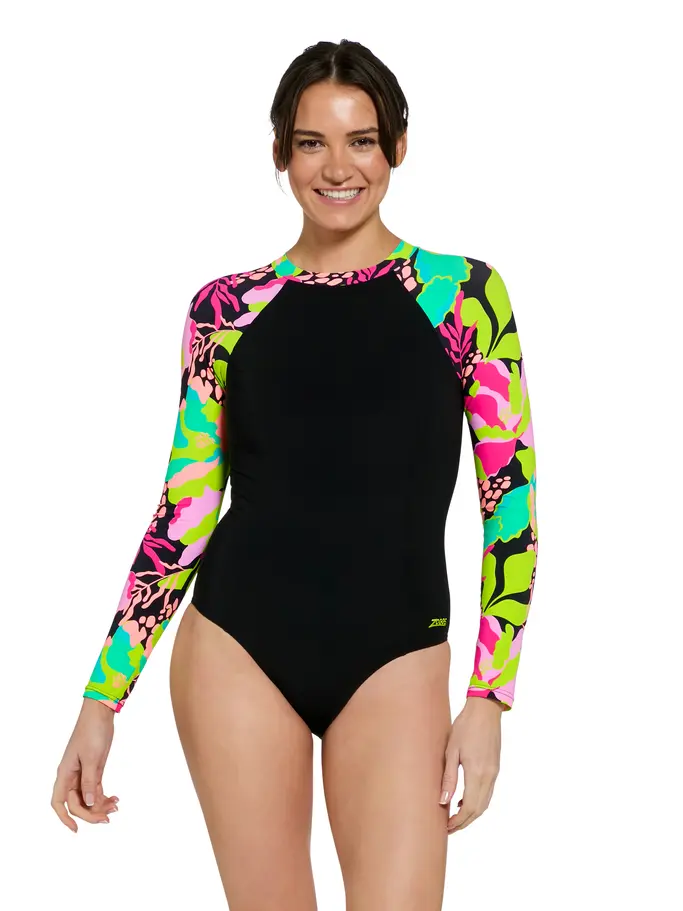
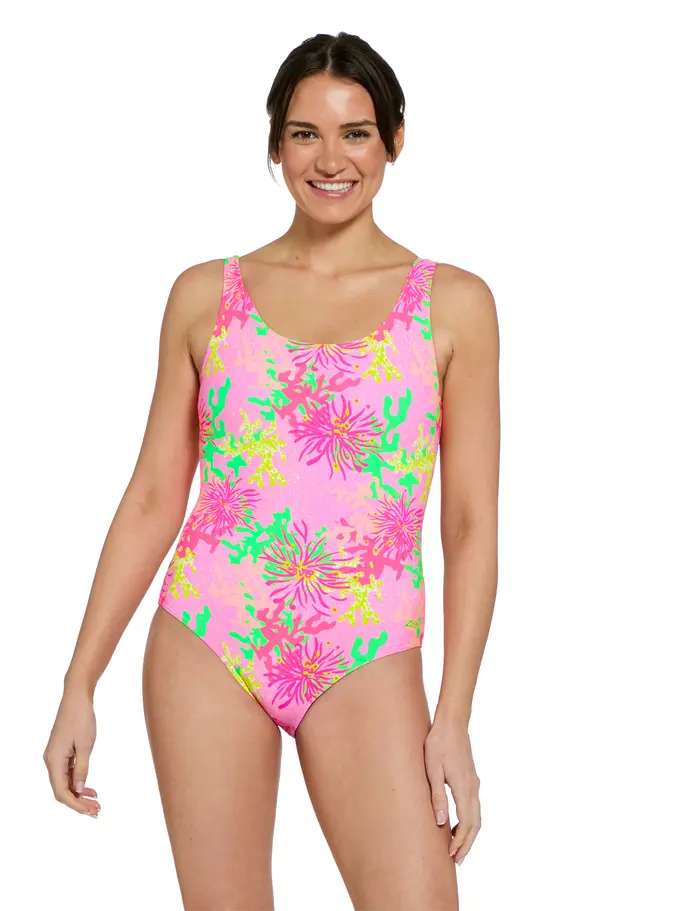
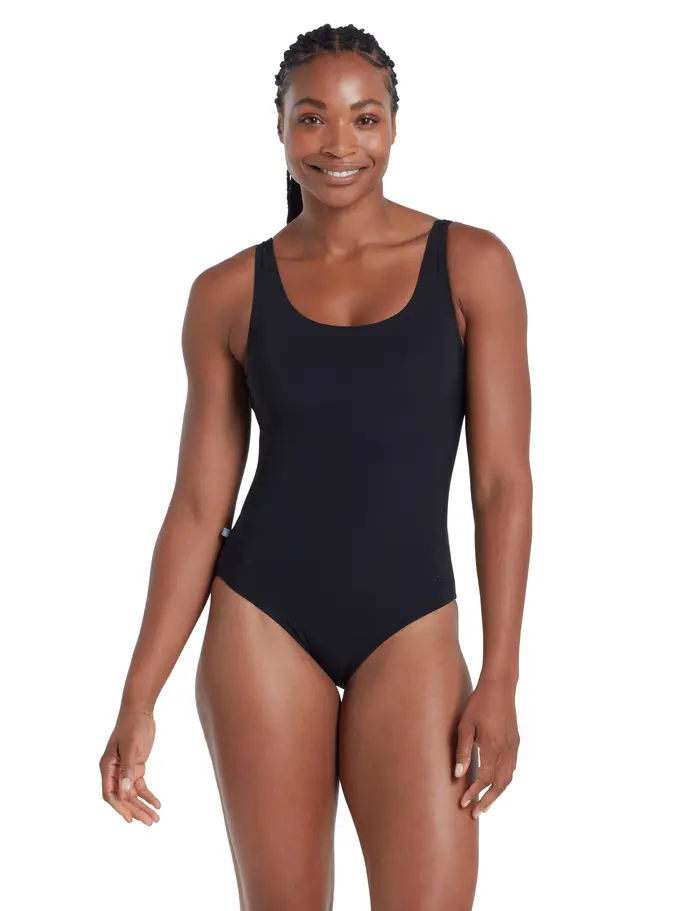
These strategies help regulate the nervous system, shifting from a state of stress to readiness. Routines and positive self-talk create a sense of familiarity, helping the body and mind stay focused rather than anxious. Wearing the right swimwear can also boost your confidence. A well-fitted open-water swimsuit can help you feel streamlined and ready to perform at your best.







How To Overcome A Fear of Open Water
For swimmers transitioning from pools to open-water swimming, a fear of unfamiliar environments can be a major hurdle. Strategies to build confidence include:
· Gradual exposure – Start by swimming close to shore in calm waters before progressing to deeper areas.
· Training with a group – Swimming with a club or partner increases safety and reassurance.
· Practicing sighting techniques – Learning to lift your head and spot landmarks can help you feel more oriented in open water.
The right gear also makes a difference. Using open-water swim goggles or a swimming wetsuit can improve your comfort and sense of security, helping you transition to open water more confidently.
If you're still uncomfortable in open water, trying scuba diving can be a game-changer. Learning to breathe calmly underwater and exploring the ocean in a relaxed setting can shift your perspective, helping you feel more at ease when you go open-water swimming.

How To Enhance Your Focus and Mental Clarity
Long-distance swimmers and endurance athletes need to master maintaining focus for extended periods. Improving concentration requires a combination of mental discipline and structured training:
1. Using Mantras and Rhythmic Breathing
Repeating short, positive phrases (e.g., “strong and smooth” or “relax and glide”) can help swimmers stay mentally engaged. Syncing breath patterns with strokes also creates a rhythmic flow that enhances focus.
2. Breaking Down the Swim
Instead of viewing a long-distance swim as one daunting effort, breaking it into smaller, manageable sections can make a significant difference. For example, the first third of the swim should focus on technique, ensuring proper streamlining and efficiency. The middle section is about maintaining a steady pace, staying consistent without overexerting too early. The final segment could include a strong push, using any reserved energy to finish powerfully. This structured approach helps maintain focus and avoid mental fatigue.
3. Practicing Mindfulness and Present-Moment Awareness
Mindfulness techniques can help you stay present and avoid distractions. Methods include:
· Body scanning – Checking in with each part of the body during a swim to ensure relaxed, efficient movements.
· Sensory awareness – Tuning into the feel of the water, the rhythm of breathing, and the power of each stroke.
Techniques to Push Past Plateaus
Many swimmers experience performance plateaus where improvements seem to stall. To break through, consider:
· Switch up training routines – Introduce different strokes, intervals, and resistance work to challenge the body.
· Incorporate strength and mobility training – Dryland exercises that target core strength and flexibility can enhance swimming power.
· Set micro-goals – Instead of focusing on broad performance targets, aim for small, achievable improvements like shaving 0.5 seconds off a turn.
Training aids can also help you break through performance plateaus. Incorporating fins, hand paddles, or pull buoys into swim sessions can add resistance and improve technique, leading to faster progress.

Build Your Confidence Through Experience
Confidence in swimming doesn’t come from talent alone—it’s built through consistent practice and positive reinforcement. Some final tips for overcoming mental blocks include:
· Track your progress – Keeping a swim journal to document improvements can provide motivation and self-assurance.
· Celebrate small wins – Acknowledging incremental progress reinforces a growth mindset.
· Seeking guidance – Work with a coach or sports psychologist to help identify mental barriers and develop personalised strategies.
By implementing these strategies, you can push past your mental blocks, enhance performance, and rediscover the joy of swimming.
This article was written by Kathryn Curzon, a dive travel writer for SSI (Scuba Schools International).


